
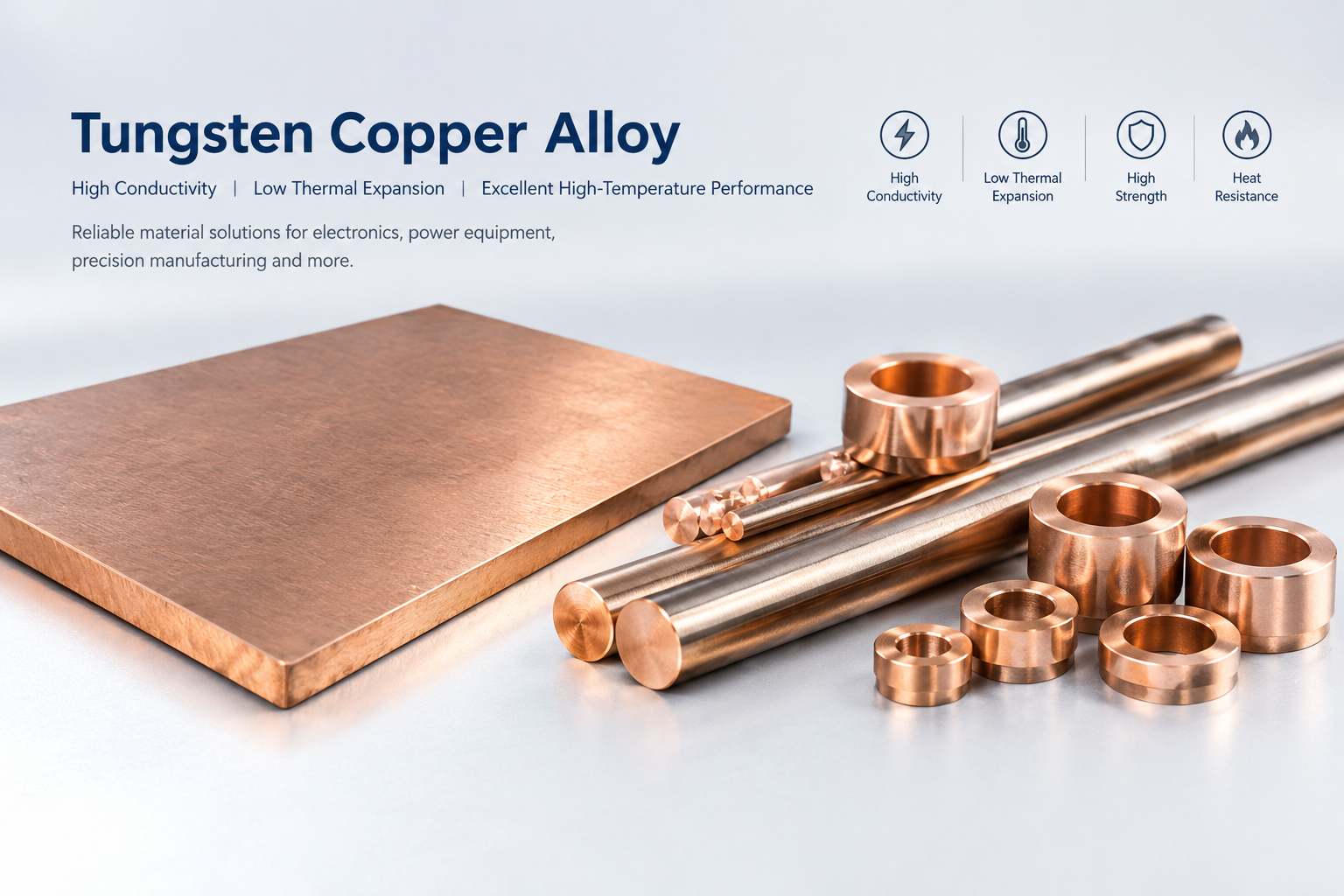
Electrical Conductivity of Tungsten Copper (W-Cu) Alloy: Properties, Factors, and Applications
Tungsten copper (W-Cu) alloy combines copper’s electrical conductivity with tungsten’s high melting point and wear resistance. This article explores why tungsten copper conducts electricity (% IACS), key factors affecting conductivity, and its critical applications in EDM electrodes and electrical contacts....
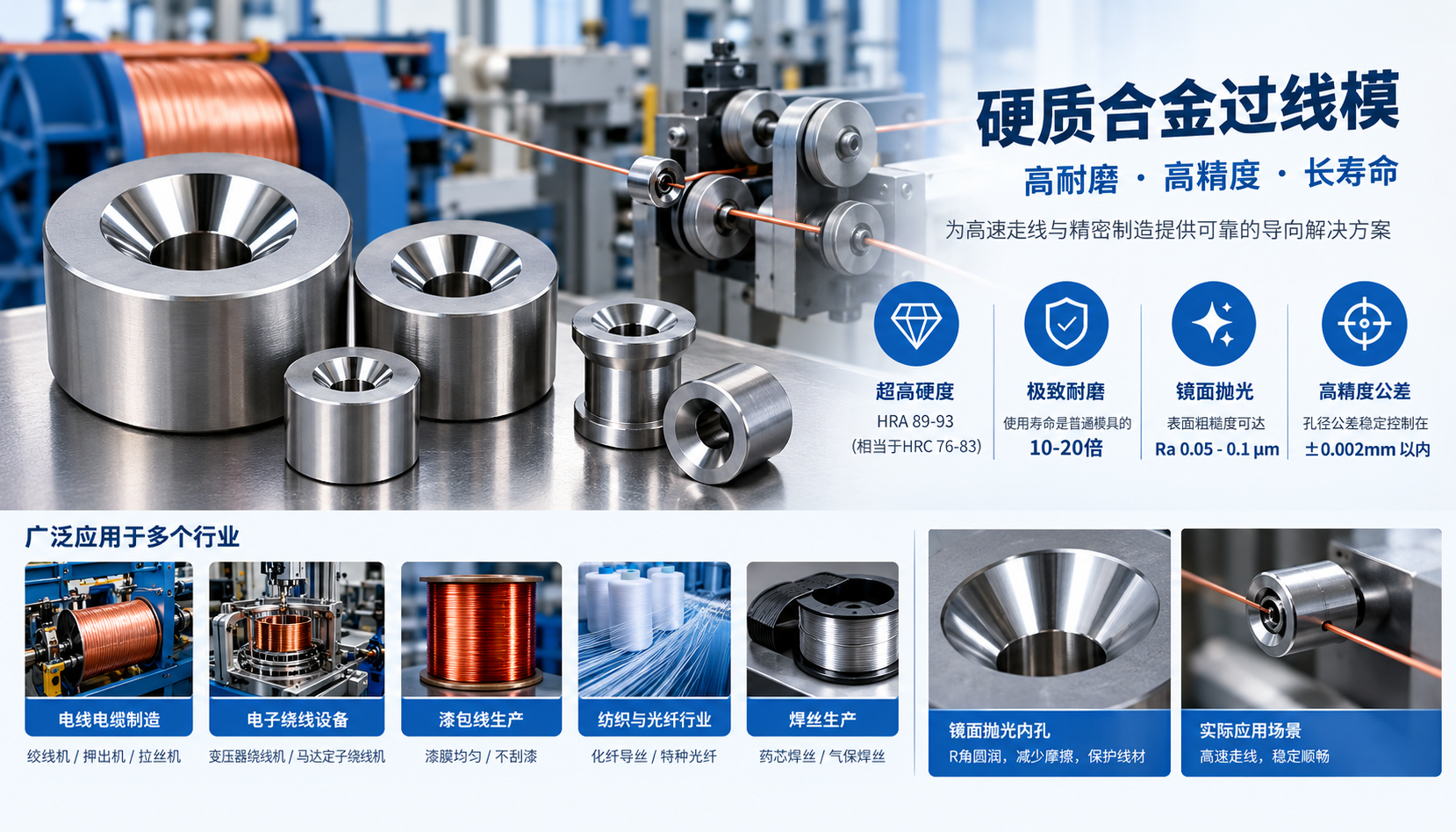
The Ultimate Guide to Tungsten Carbide Wire Guide Dies: Features, Selection, and Applications
In high-speed wire and cable manufacturing, component wear can lead to costly downtime. HAO CARBIDE specializes in premium tungsten carbide wire guide dies, featuring superior hardness and mirror-polished finishes to ensure smooth wire delivery and maximum production efficiency....
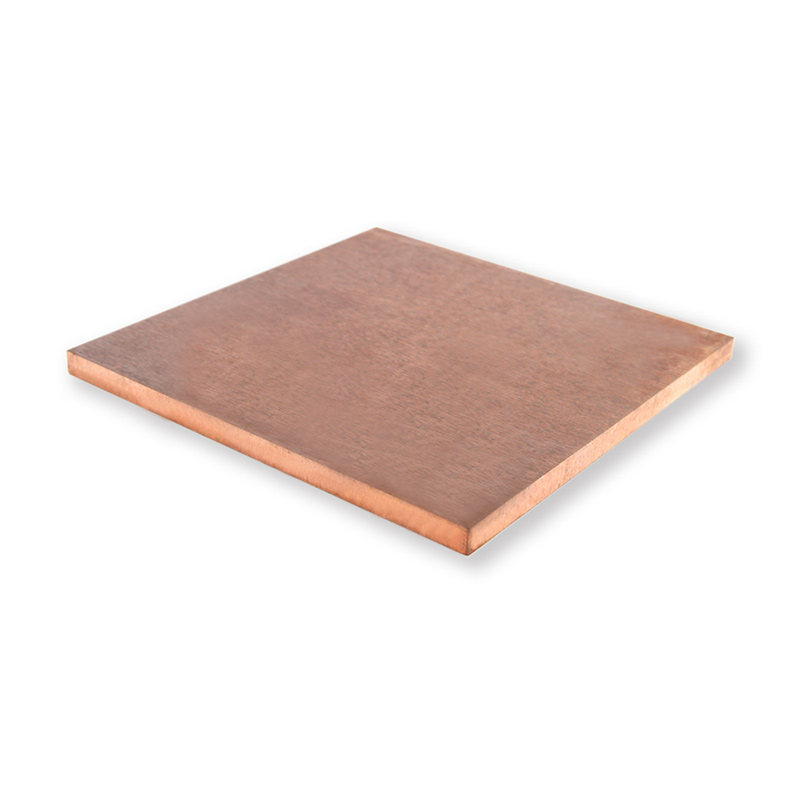
How Effective is Tungsten Copper Alloy for Radiation Shielding?
Tungsten copper (W-Cu) alloy combines the superior radiation attenuation of high-density tungsten with the excellent thermal conductivity and machinability of copper. As an eco-friendly, lead-free alternative, it plays a vital role in medical imaging, radiotherapy collimators, and industrial NDT inspection. Discover how alloy composition, thickness, and material density determine its shielding effectiveness....
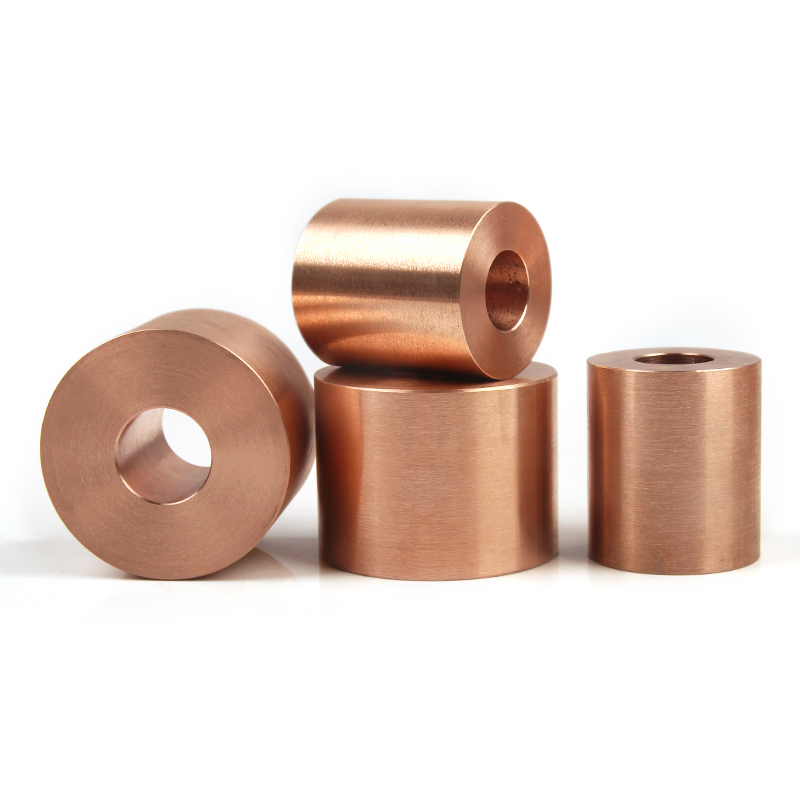
How Is Tungsten Copper Alloy Manufactured? Production Methods, Process Precautions & Quality Testing
Tungsten-copper (W-Cu) alloy is a refractory pseudo-alloy with a vast melting point disparity (W: 3,410°C vs. Cu: 1,080°C), making conventional casting impossible. This comprehensive guide by HAO CARBIDE explores the two primary production routes—traditional powder metallurgy and the mainstream tungsten skeleton copper infiltration method—along with detailed process precautions, comparison tables, and strict quality testing protocols....
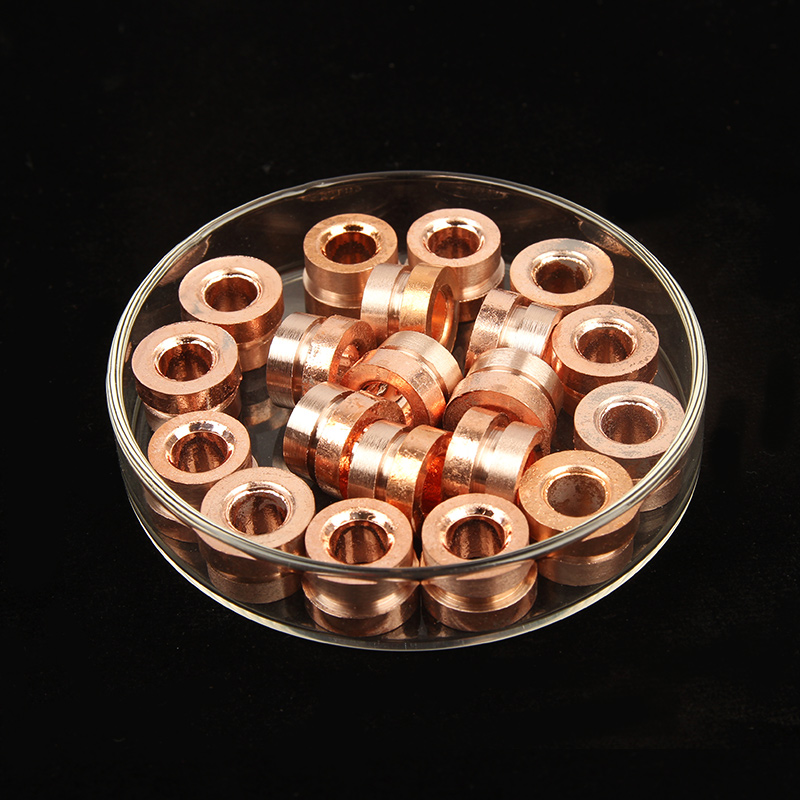
Understanding the Thermal Conductivity of Tungsten-Copper (W-Cu) Alloys
Tungsten-copper (W-Cu) alloys balance high thermal conductivity with low thermal expansion and wear resistance. This article explains the underlying conduction mechanisms, the impact of W/Cu composition ratios, microstructural factors, and manufacturing controls by HAO CARBIDE....
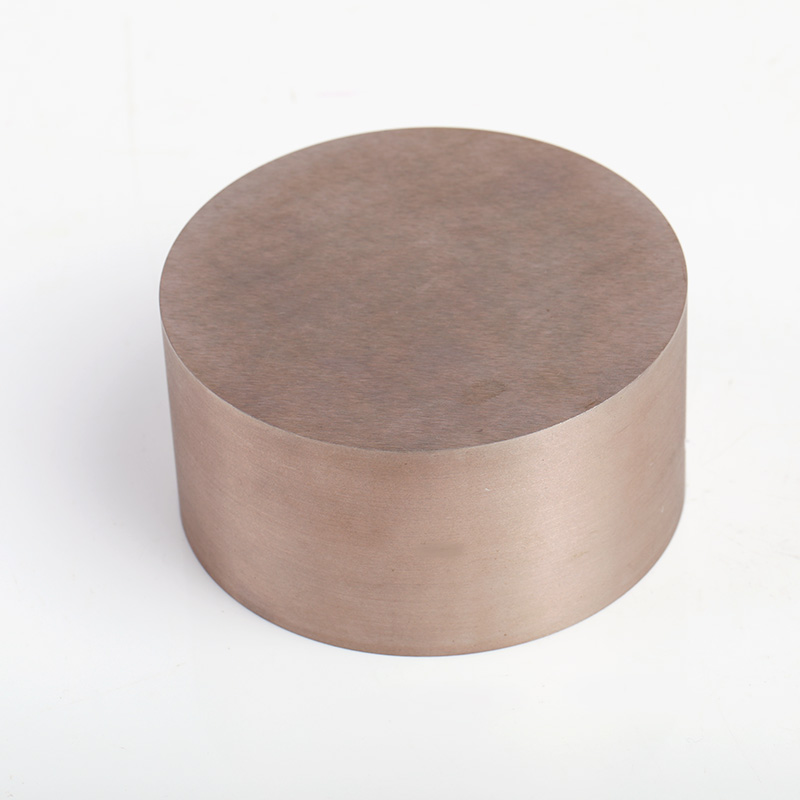
A Comprehensive Guide to Tungsten Copper Alloy Classifications
Tungsten copper alloy classifications extend far beyond common ratios like WCu70/30 and WCu80/20. Explore how geometric forms and end-use industrial applications define W-Cu materials, and how HAO CARBIDE engineers custom solutions for challenging operating environments....
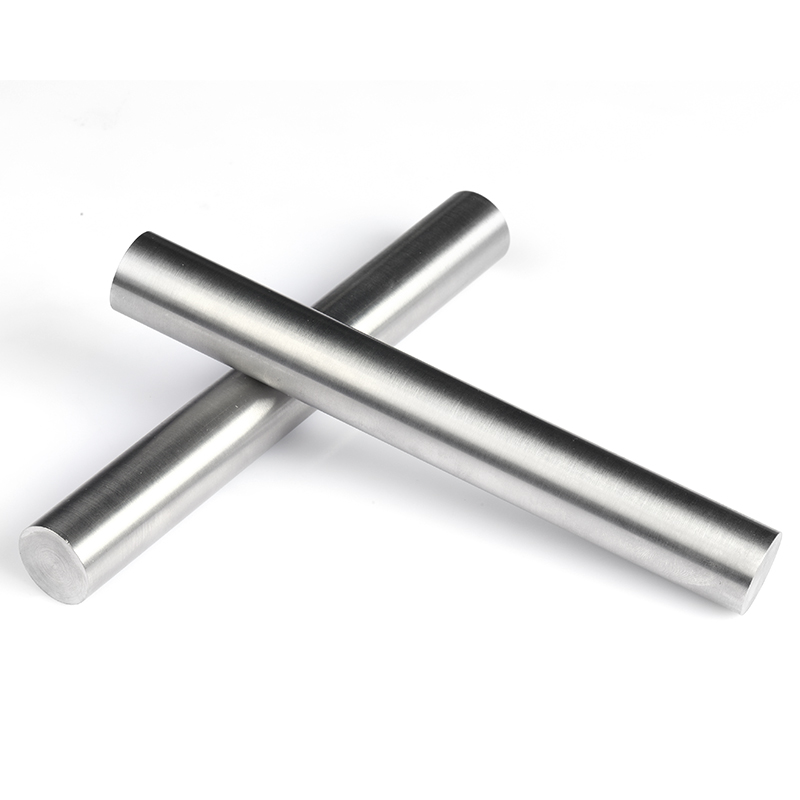
Tungsten Copper vs. Tungsten Nickel Alloys: Differences, Properties & Applications
Both Tungsten Copper (W-Cu) and Tungsten Nickel (W-Ni) alloys belong to the high-density tungsten-based material family at HAO CARBIDE. Both rely on tungsten as their primary backbone, offering high density and thermal resistance. However, their secondary phases are fundamentally different: W-Cu uses copper as an insoluble filler phase, whereas W-Ni employs nickel as a liquid-phase bonding matrix. This compositional difference results in distinct microstructures, physical/chemical properties, and industrial uses...
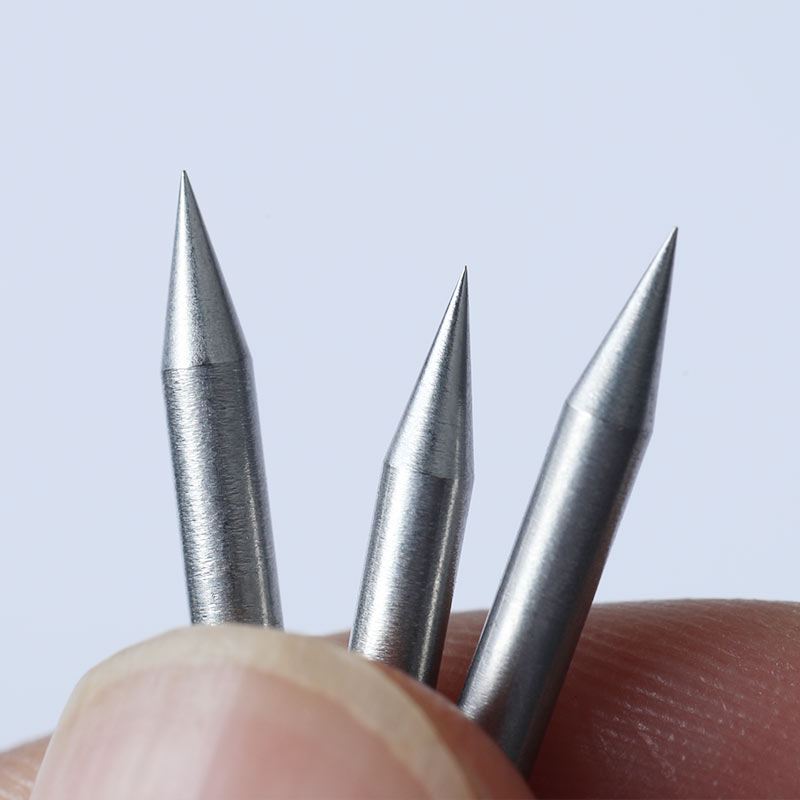
What is a Tungsten Needle? Applications, Properties, and Precision Solutions
A tungsten needle is a slender, precision-engineered rod with a sharpened tip made from 99.9%+ pure tungsten. Featuring a melting point of 3,422°C, high rigidity, and excellent electrical conductivity, it is widely used in TIG welding, semiconductor wafer testing, minimally invasive electrosurgery, and high-precision scientific analysis....
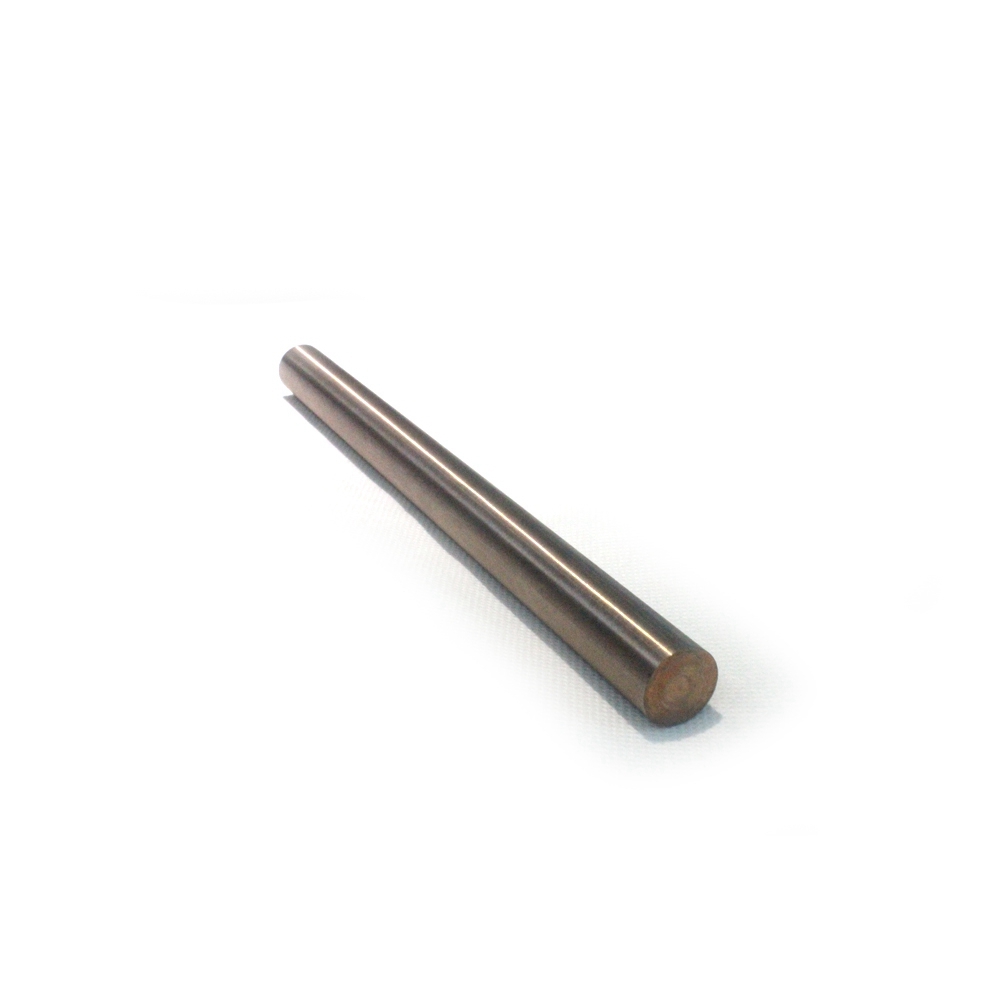
Tungsten Copper Electrodes vs. Other Electrode Materials: A Complete Comparison Guide
How does Tungsten Copper compare to Tungsten Silver, Pure Copper, and Graphite in EDM and resistance welding? This comprehensive guide breaks down their microstructure, conductivity, wear resistance, and cost factors to help you select the ideal electrode material for precision manufacturing....
All Categories
- Ground Solid Tungsten Carbide Rods
- Unground Solid Tungsten Carbide Rods
- Tungsten Carbide Rods Single Hole
- Tungsten Carbide Rods Double Holes
- Nonstandard Tungsten Carbide Rods
- Tungsten Carbide Bars And Strips
- Tungsten Carbide Plates
- Customized Tungsten Carbide Products
- Tungsten Carbide Burr Blank
- Tungsten Weight
- Tungsten carbide rods&Custom-made Carbide rods
- Cemented Carbide Plates & Non-Standard Custom-made Carbide Plates
- Cemented Carbide Strips & Non-Standard Custom-made Carbide Strips
- Cemented Carbide Die & Non-Standard Custom-made Carbide Die
Contact Us
HAO Carbide Co., LTD.
Catherine Tang
Tel: +86-731-22199705
Fax: +86-731-28260602
Mob: +86-13975383023
Email: Catherine@haocarbide.com
Web: www.hao-carbide.com
Address: Building 3, Power Valley Industrial Park, Zhuzhou City, Hunan Province, China